

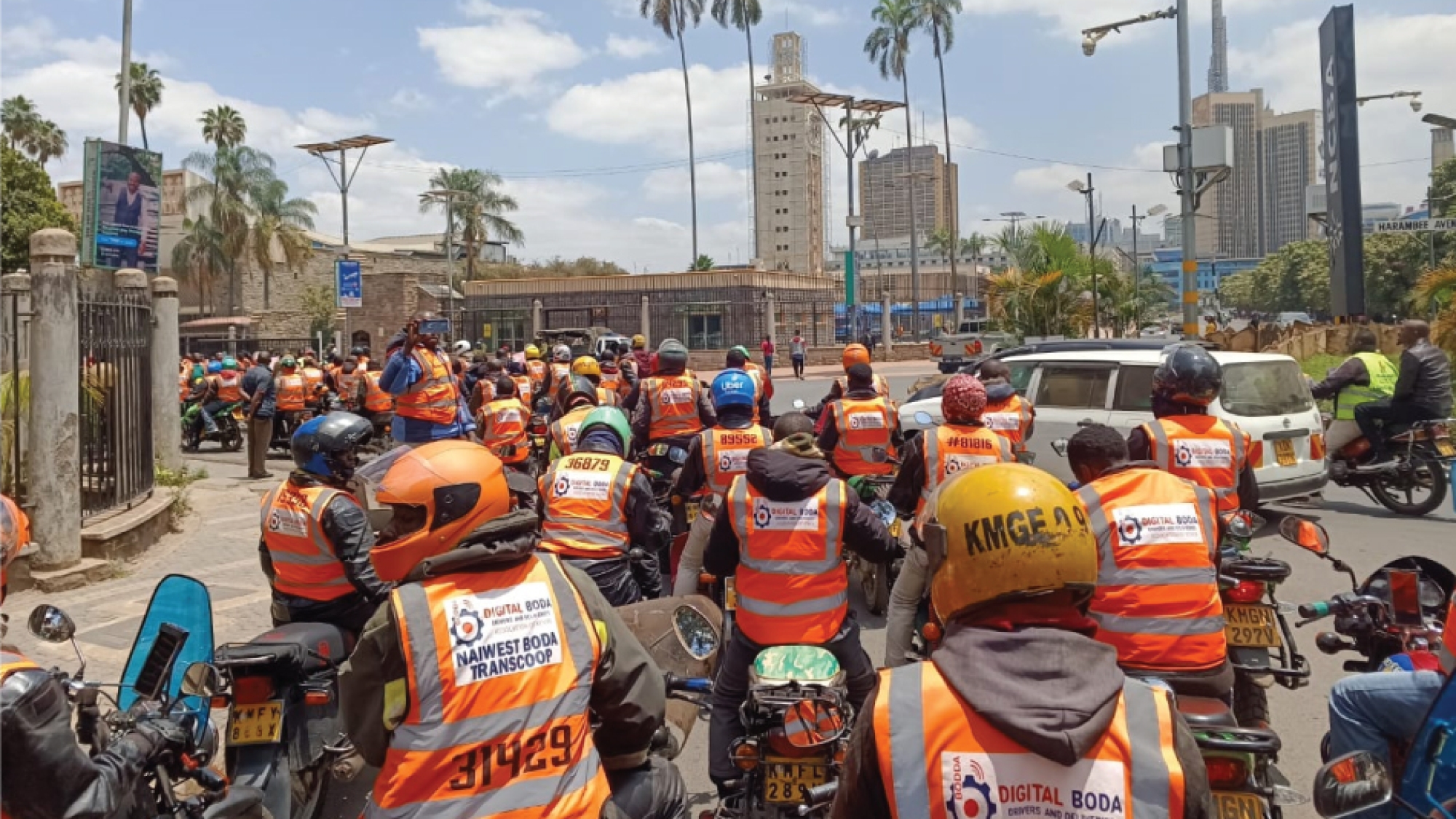
Ask any rider in Nairobi what road safety used to mean, and the answer was simple. Police checkpoints. Fines. A frantic scramble for reflector jackets the moment a traffic officer appeared up ahead. Safety was something done to riders, not something riders chose for themselves.
That story is changing, and it is changing from the inside out.Across the country, associations like Digital Boda Drivers and Deliveries Association of Kenya Digital Boda leadership on the cost of safety gear for riders are proving that the most powerful road safety campaigns are not run by government offices. They are run by riders, for riders, built on trust, discipline and a genuine will to protect one another. This is not just a compliance story. It is a survival story, told by the people living it every single day.
The Real Cost of a Crash
For most Kenyans, a boda boda accident is not just a medical emergency. It is a financial earthquake.A single crash can wipe out a family’s income overnight. Hospital bills pile up, the bike sits idle, and the person who usually brings home the day’s earnings becomes the person the household now has to support. In a business where most riders earn day to day, there is rarely a cushion to fall back on.
That is exactly why a helmet is far more than a legal requirement. It is the cheapest insurance policy a rider will ever buy. A properly fitted, quality helmet does not just protect a head. It protects a family’s rent, a child’s school fees and a parent’s ability to keep working. Riders who understand this stop wearing helmets because someone told them to. They wear them because they have done the math.
Peer Pressure, Done Right
Some of the strongest safety gains are not coming from government campaigns at all. They are coming from SACCO marshals and association leaders who hold their own members accountable.Leading rider organisations have shown that internal discipline works. When a fellow rider, not a stranger in uniform, reminds you to strap on your helmet or check your reflector jacket before leaving the stage, it lands differently. It feels like a brother looking out for you, not a system trying to catch you out. Associations that have built this kind of culture are seeing something close to full compliance, not because riders fear a fine, but because they respect the community holding them to it.NTSA and Helmet Wearing Coalition push for wider helmet access.
As Digital Boda’s own leadership has noted publicly, the challenge for many riders is not awareness. It is affordability, since quality safety gear still carries a real cost for people earning modest daily wages. Closing that gap through partnerships and bulk gear programs is quickly becoming one of the most effective safety interventions available.
The Fatigue No One Talks About
There is a quieter safety issue that rarely makes headlines. Rider fatigue.Long hours on the road, unpredictable income pressure and almost no formal rest stops in busy urban centres are pushing riders past their limits. A tired rider on a chaotic Nairobi road is a genuine risk, not just to themselves but to every pedestrian and passenger around them. Mental health and physical exhaustion deserve the same seriousness as helmet compliance, because a clear, rested mind is just as much a safety tool as a KEBS approved helmet.
Forward thinking associations are beginning to treat rest, welfare and mental wellbeing as part of the safety conversation, not a separate issue to deal with later. That shift alone could save as many lives as any helmet campaign.
A Culture Worth Building On
Kenya’s roads will not become safer through fines alone. They will become safer when riders themselves decide that protecting each other is simply how things are done. That shift from enforcement to ownership is already happening, quietly and steadily, on stages and in SACCOs across the country.The helmet was never just a piece of plastic. It has become a symbol of a community choosing to look after its own.
The helmet was never just a piece of plastic. It has become a symbol of a community choosing to look after its own.